For my capstone project, I collaborated with three classmates to propose a line extension for the Italian outdoor brand ROA. The concept responds to shifting perspectives on sustainability and the environmental impact of synthetic fibers used in modern apparel production.
This extension builds on ROA’s existing outdoor line by exclusively using natural fibers that reduce harm to the environment. Drawing from heritage textiles such as canvas, twills, and drills, the collection reimagines traditional materials within ROA’s streetwear-driven approach to contemporary hiking apparel.
For this collection, we were tasked with designing a complete line of six looks. Our process began with market research using WGSN, Pantone, and leading fashion publications. As an outdoor brand at its core, we felt it was essential that ROA’s apparel reflects a respect for the environments it exists within. This led us to develop a collection made entirely from natural fibers, eliminating harmful dyes and finishes to reduce environmental impact.
Look 1:
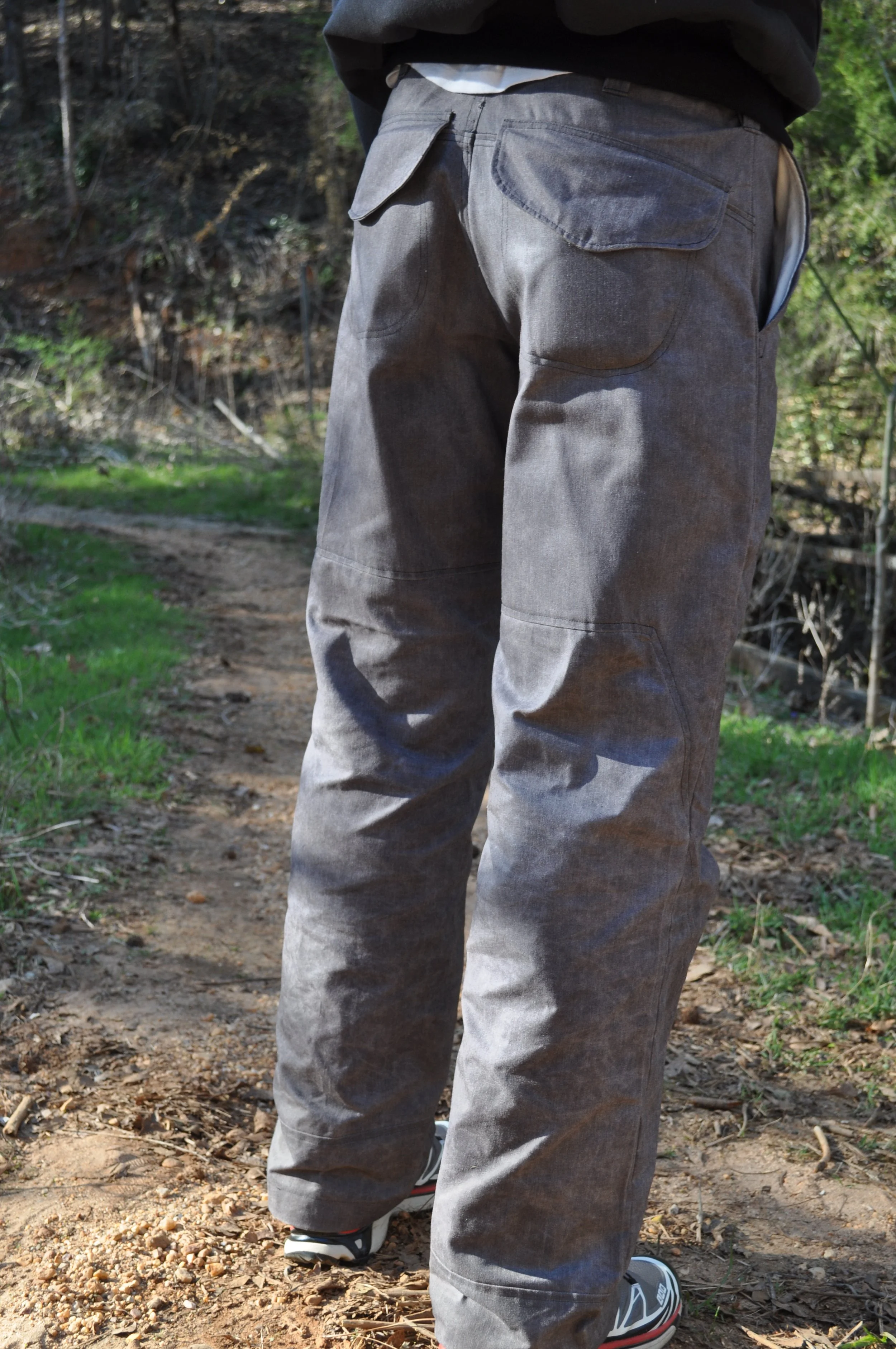
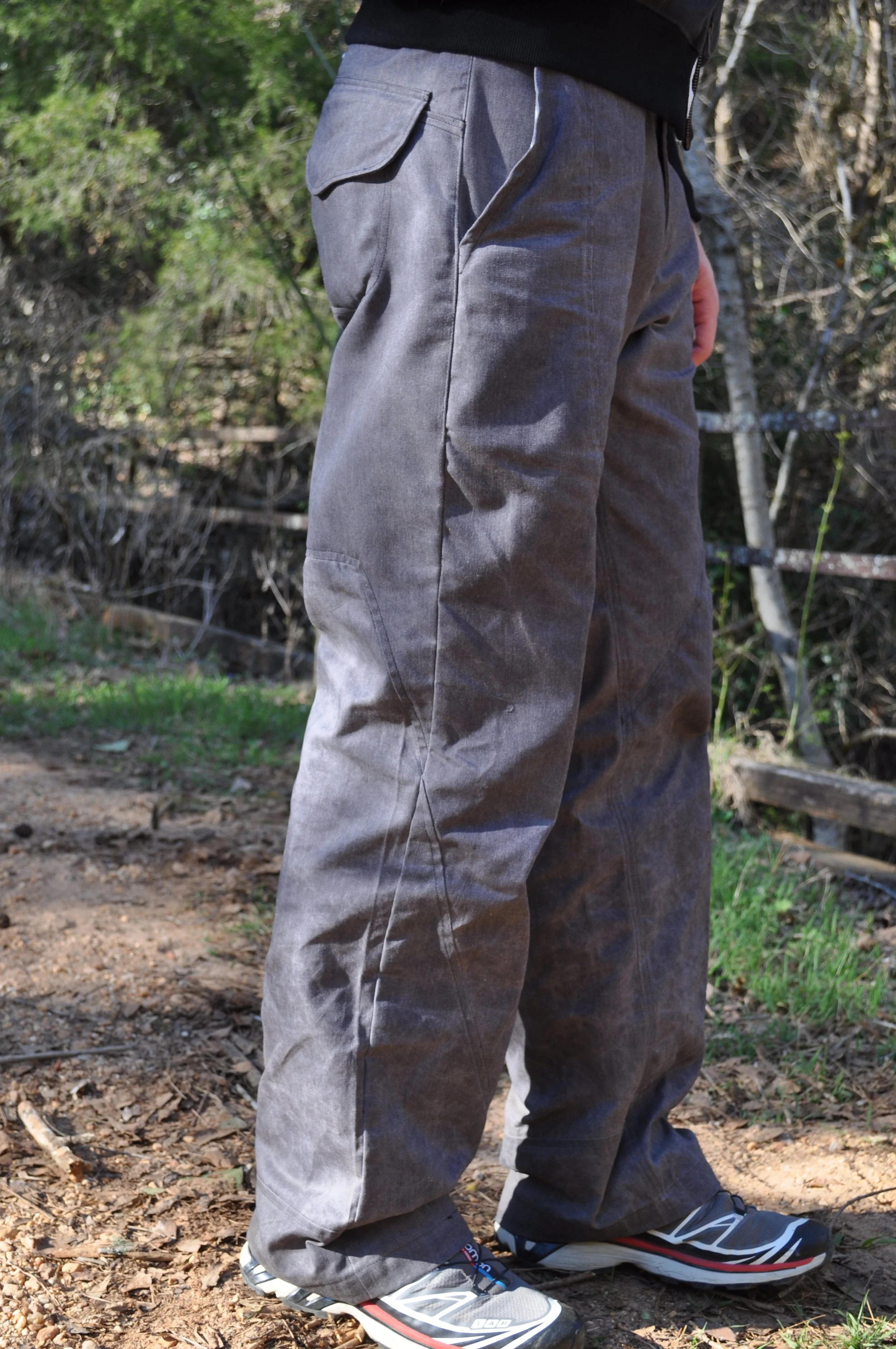
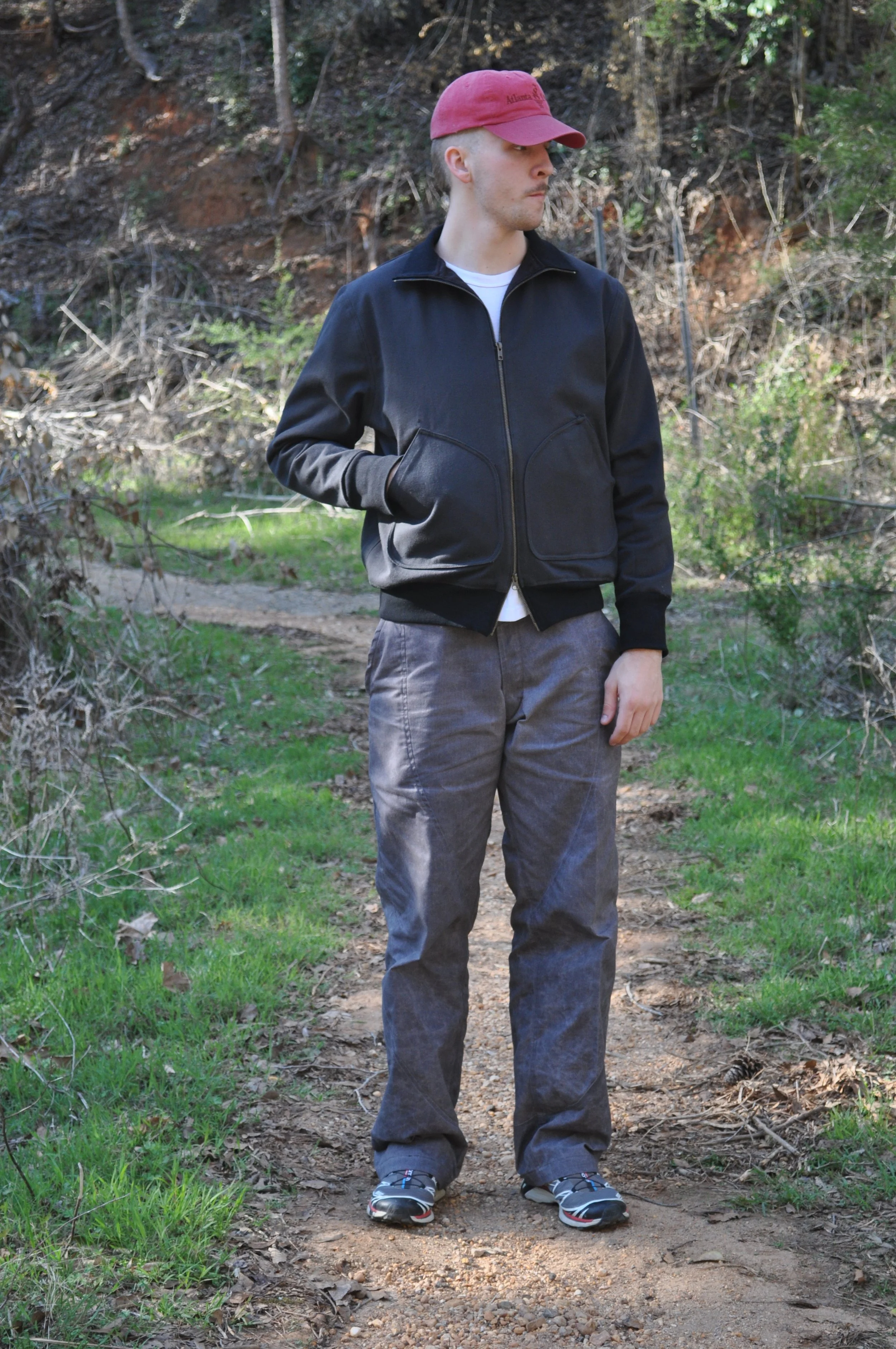
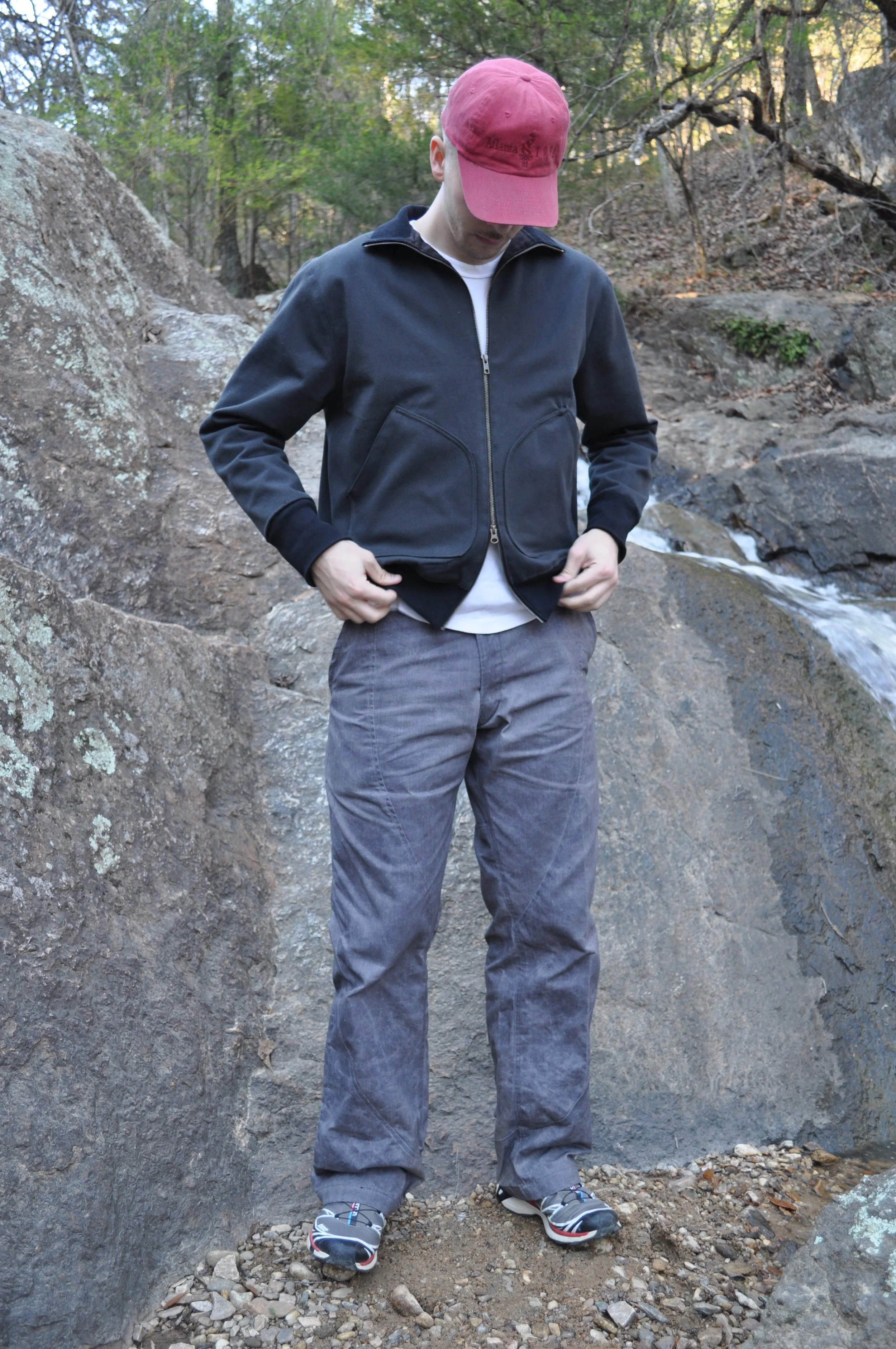
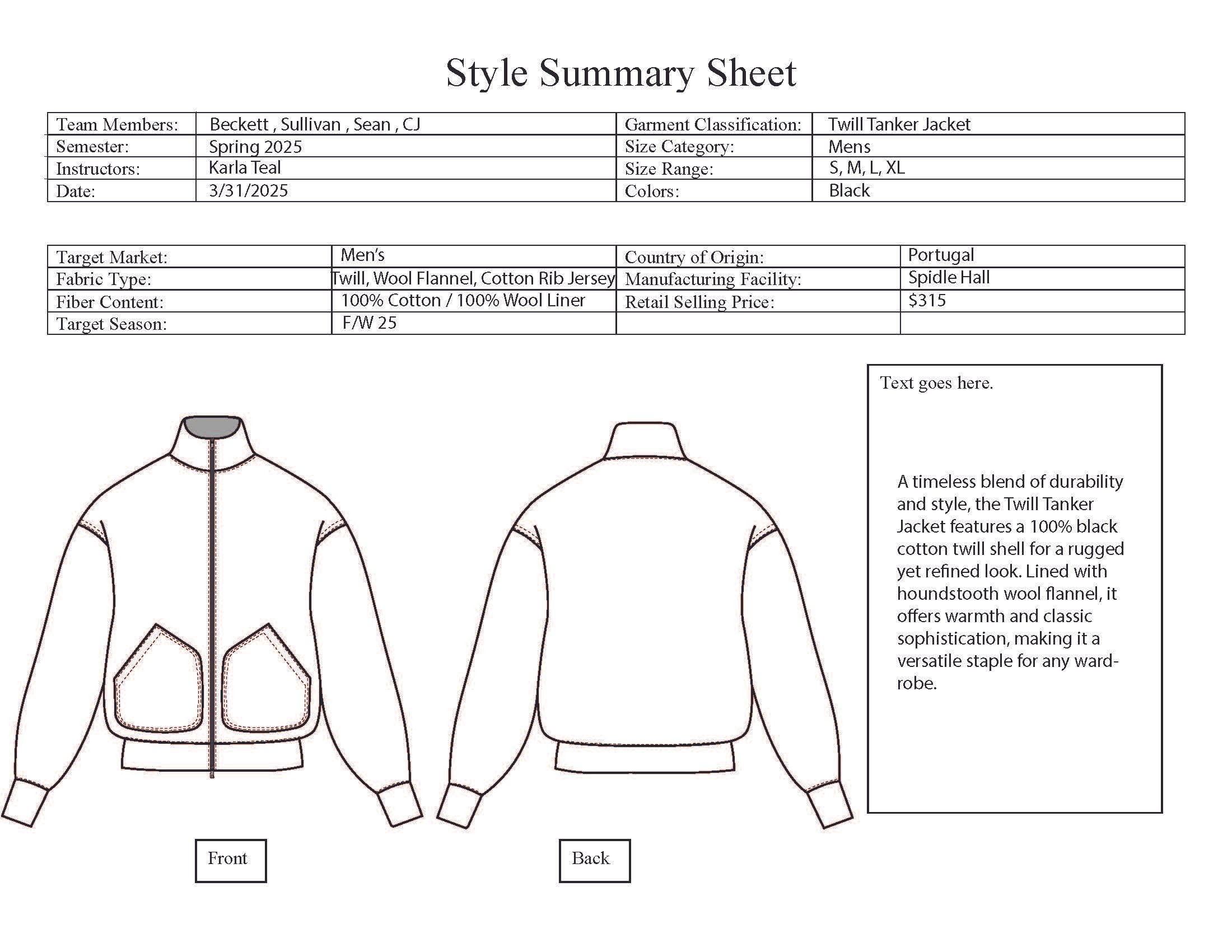
For my first look, I designed a track jacket paired with water-repellent waxed twill hiking pants. The jacket draws inspiration from U.S. Army tanker jackets worn during World War II and features all-cotton ribbed cuffs, a midweight cotton twill shell, and a warm wool lining. A two-way zipper allows for adjustable wear and versatility in changing conditions.
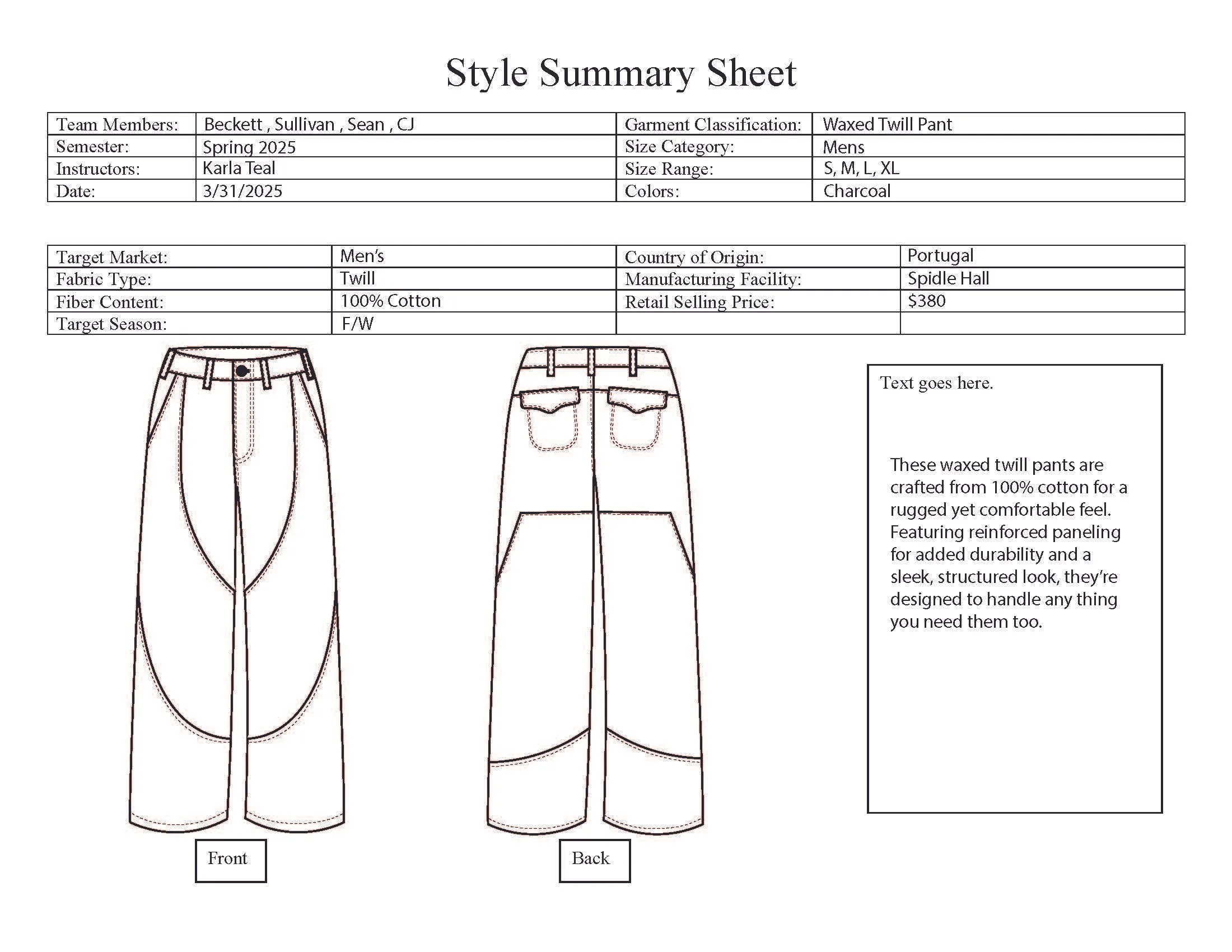
The pants are constructed entirely from 8 oz. waxed twill, offering a natural, durable alternative to the synthetic rain pants commonly found in the outdoor market.
Look 2:
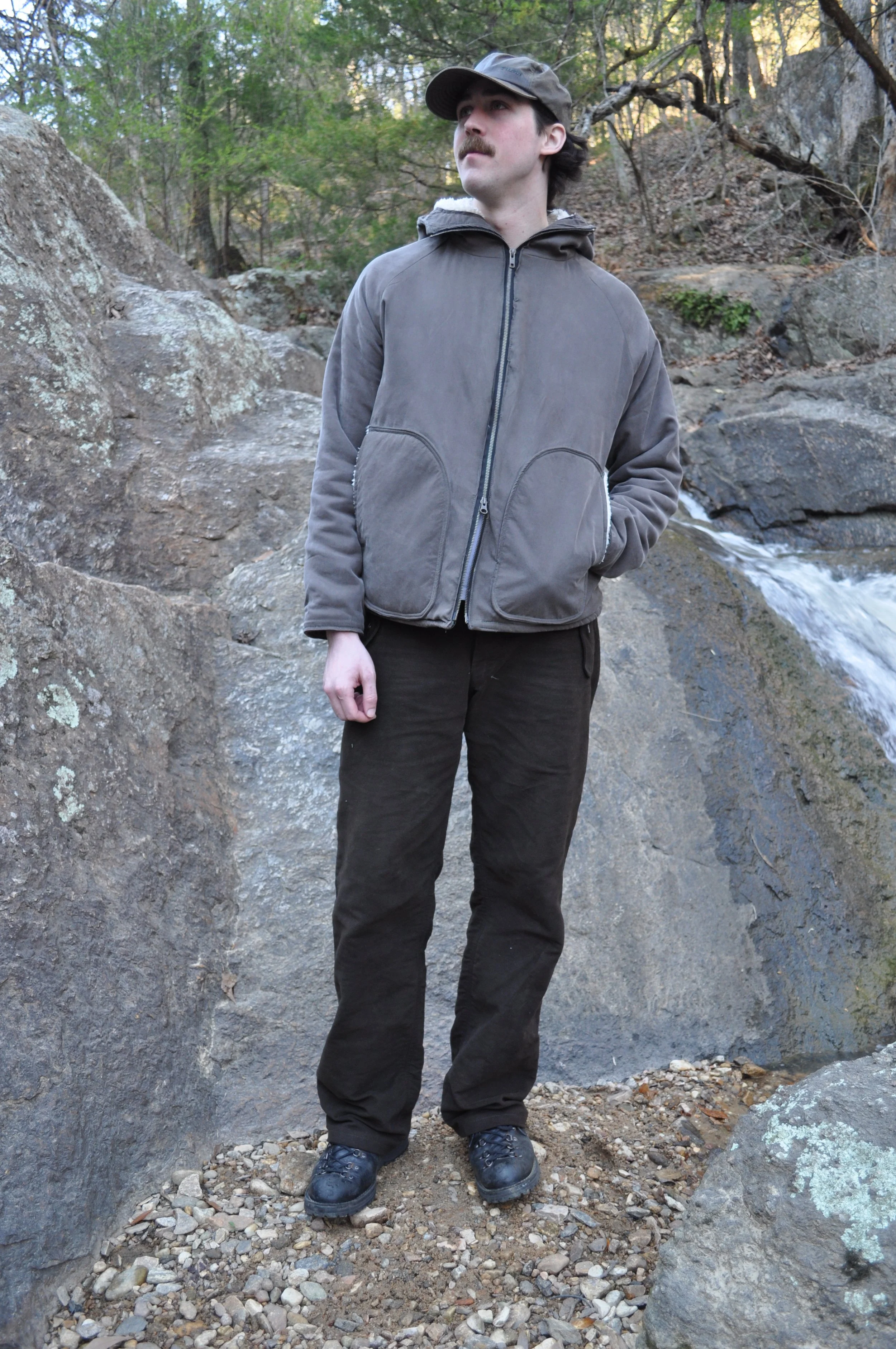
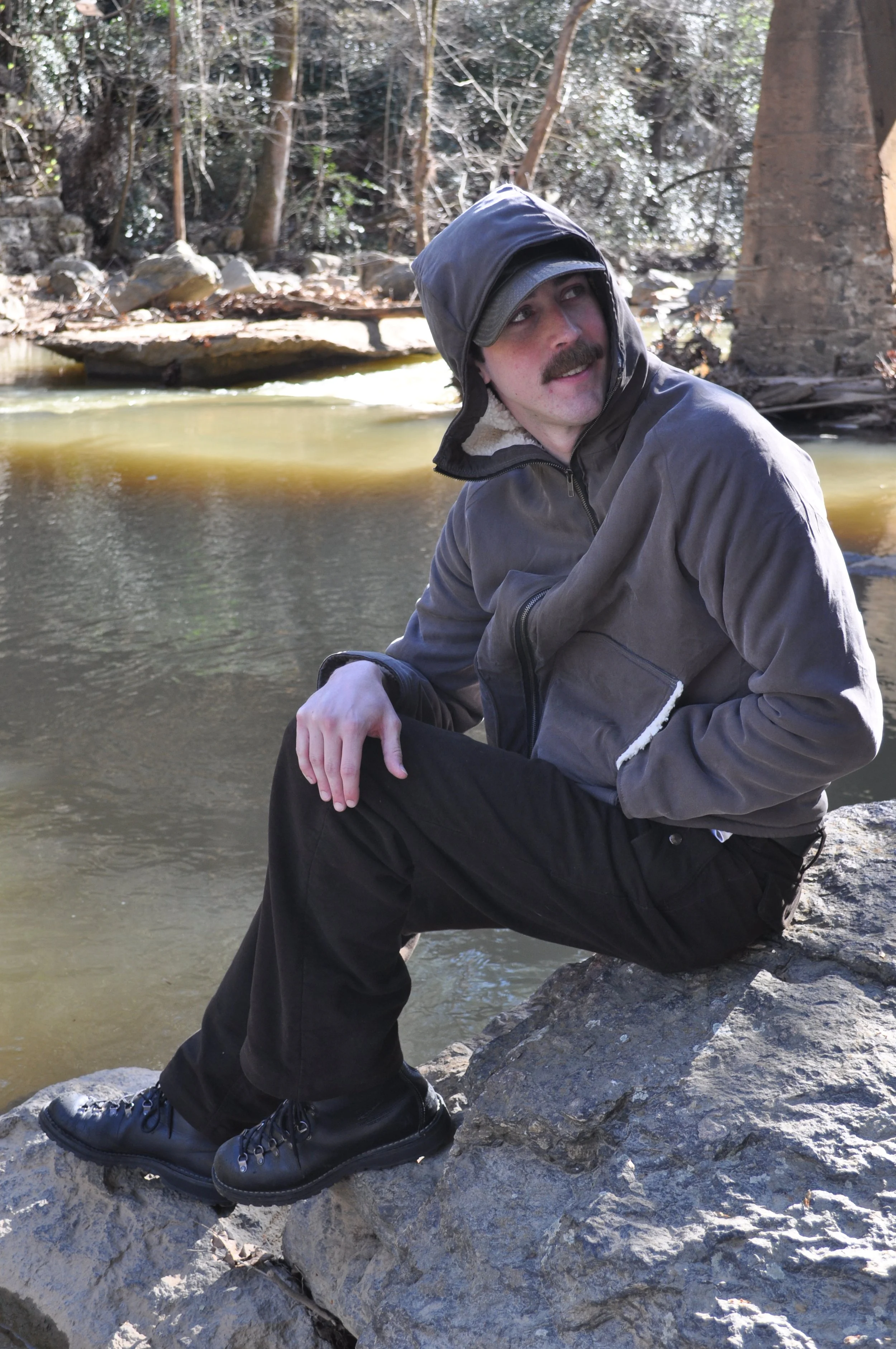
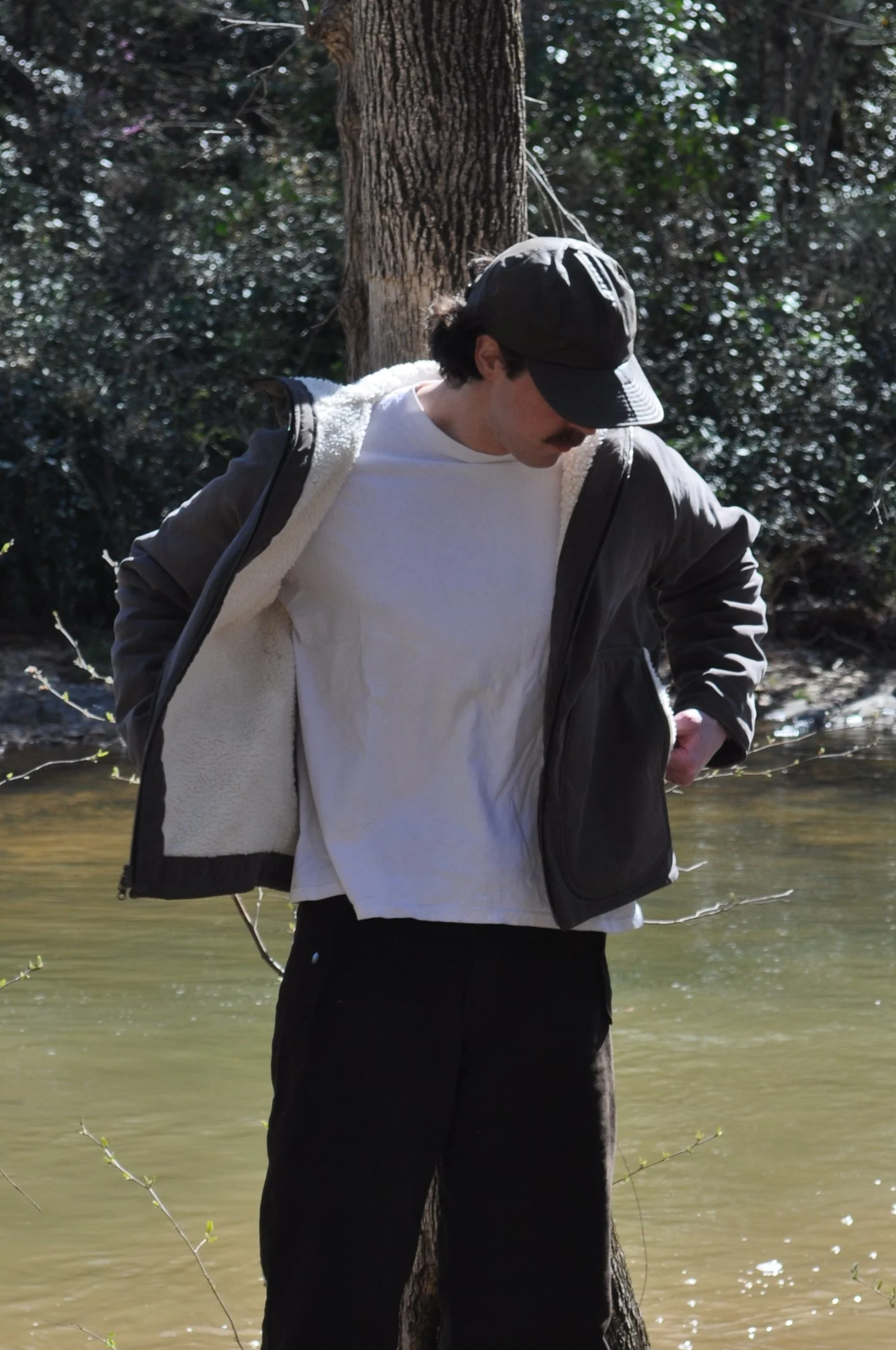
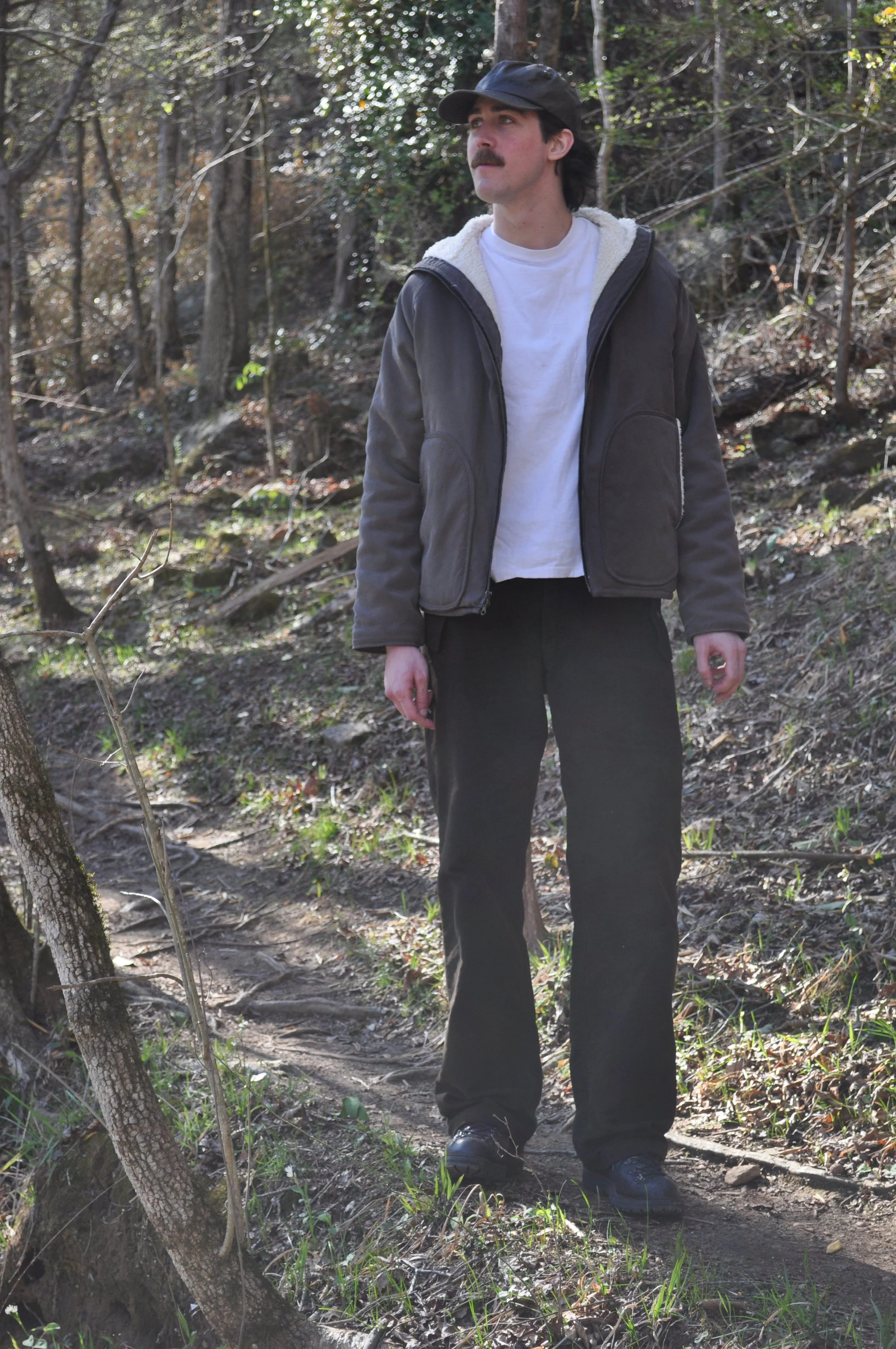
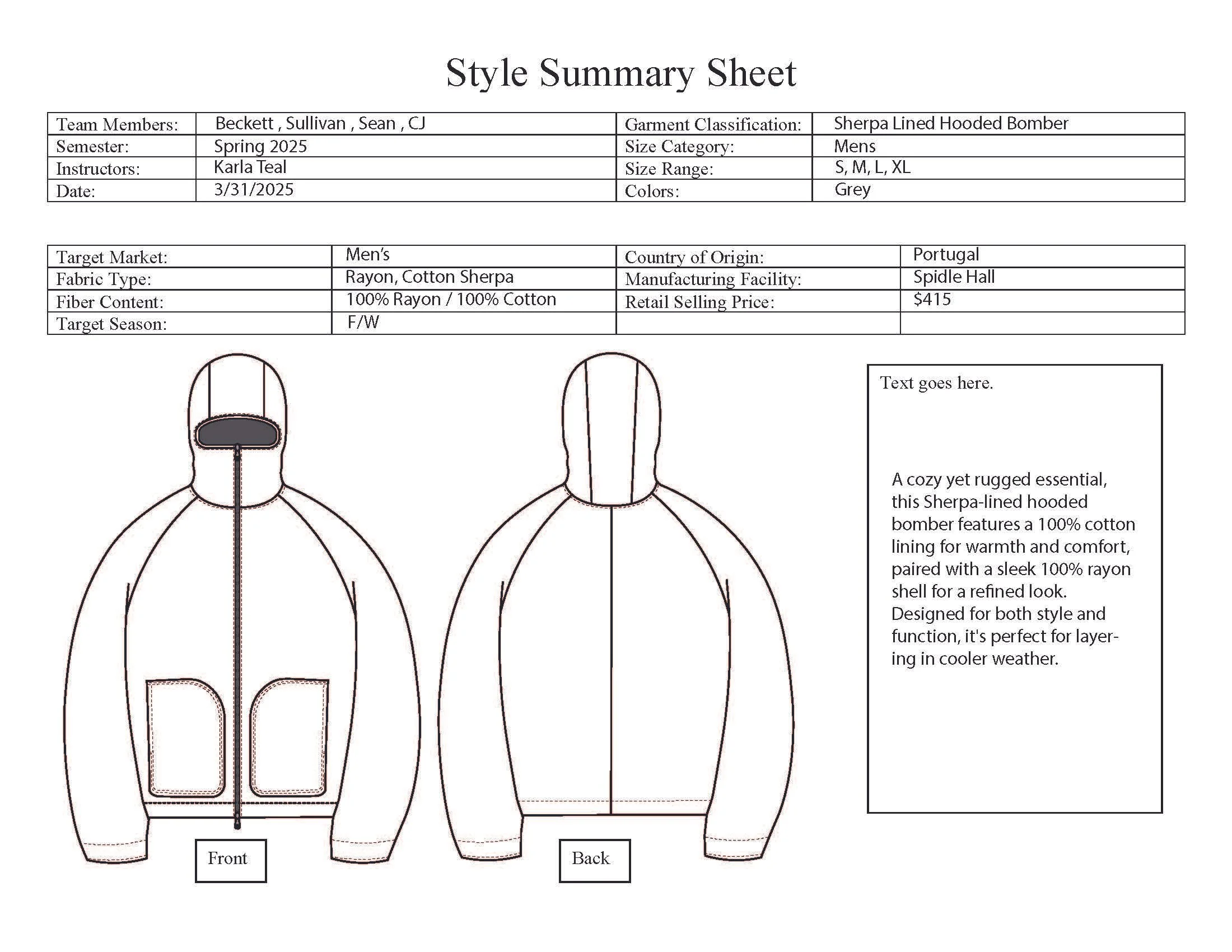
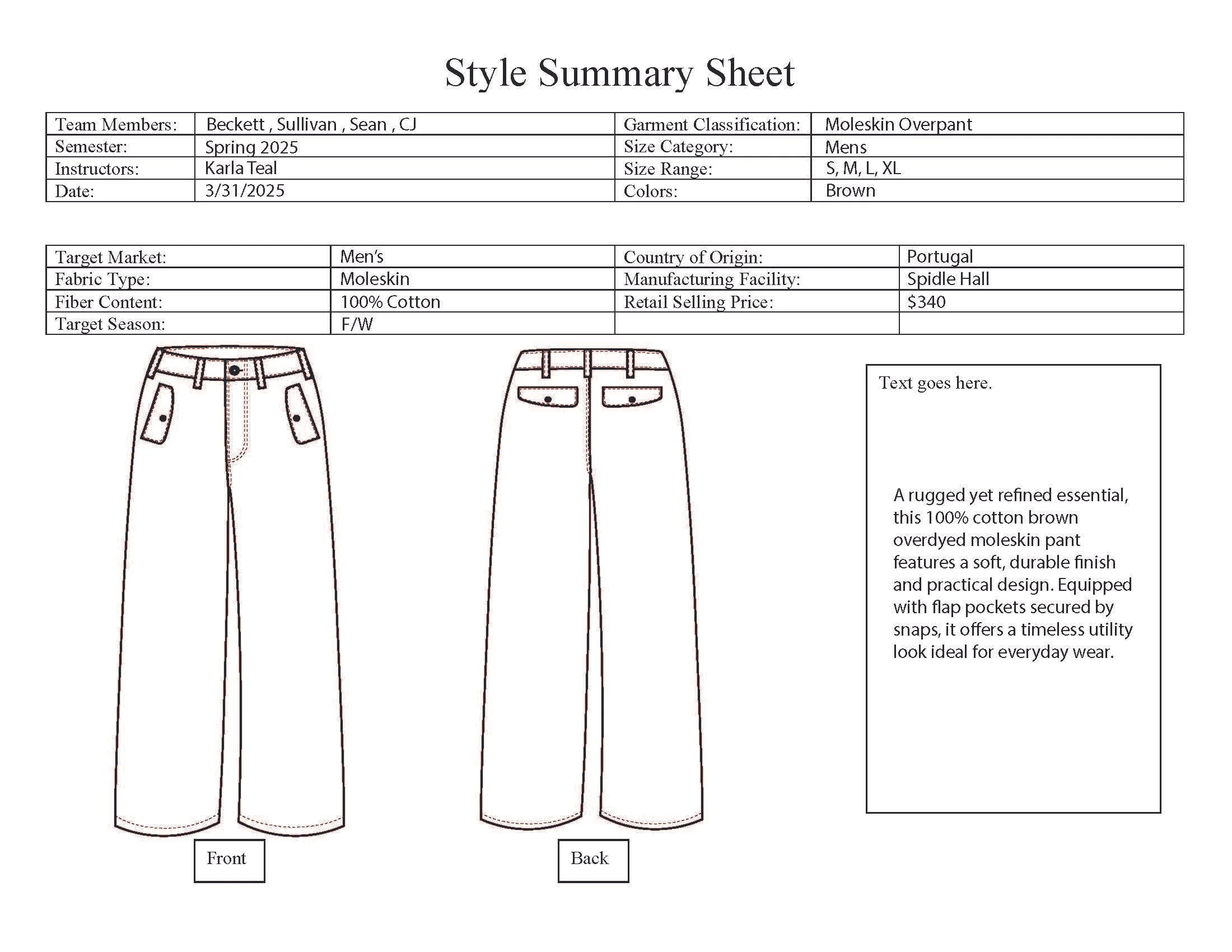
For my second look, I designed a pair of overdyed cotton moleskin pants paired with a warm, fleece-lined jacket. The pants emphasize durability and comfort, drawing from traditional workwear silhouettes adapted for outdoor use. The jacket is constructed from a tightly woven rayon shell and fully lined with a 600 GSM all-cotton sherpa fleece, providing substantial insulation while staying true to the collection’s focus on natural fibers and functional performance
Upon completion of the project, we assembled a comprehensive spec pack for each garment in the collection. This included a style summary, detailed patterns, costing, fabric specifications, operation bulletins, packaging details, size and care label designs, points of measure, and stitches and seams diagrams. A PDF of the full spec pack is linked below.
This collection was by far the most labor-intensive project I have been a part of. It revealed both my strengths and weaknesses as a designer, while pushing me to improve my time management and testing my commitment to fashion at various points throughout the process. Looking back, I know I will miss the long nights and early mornings spent in the sewing lab alongside my friends.